Travel
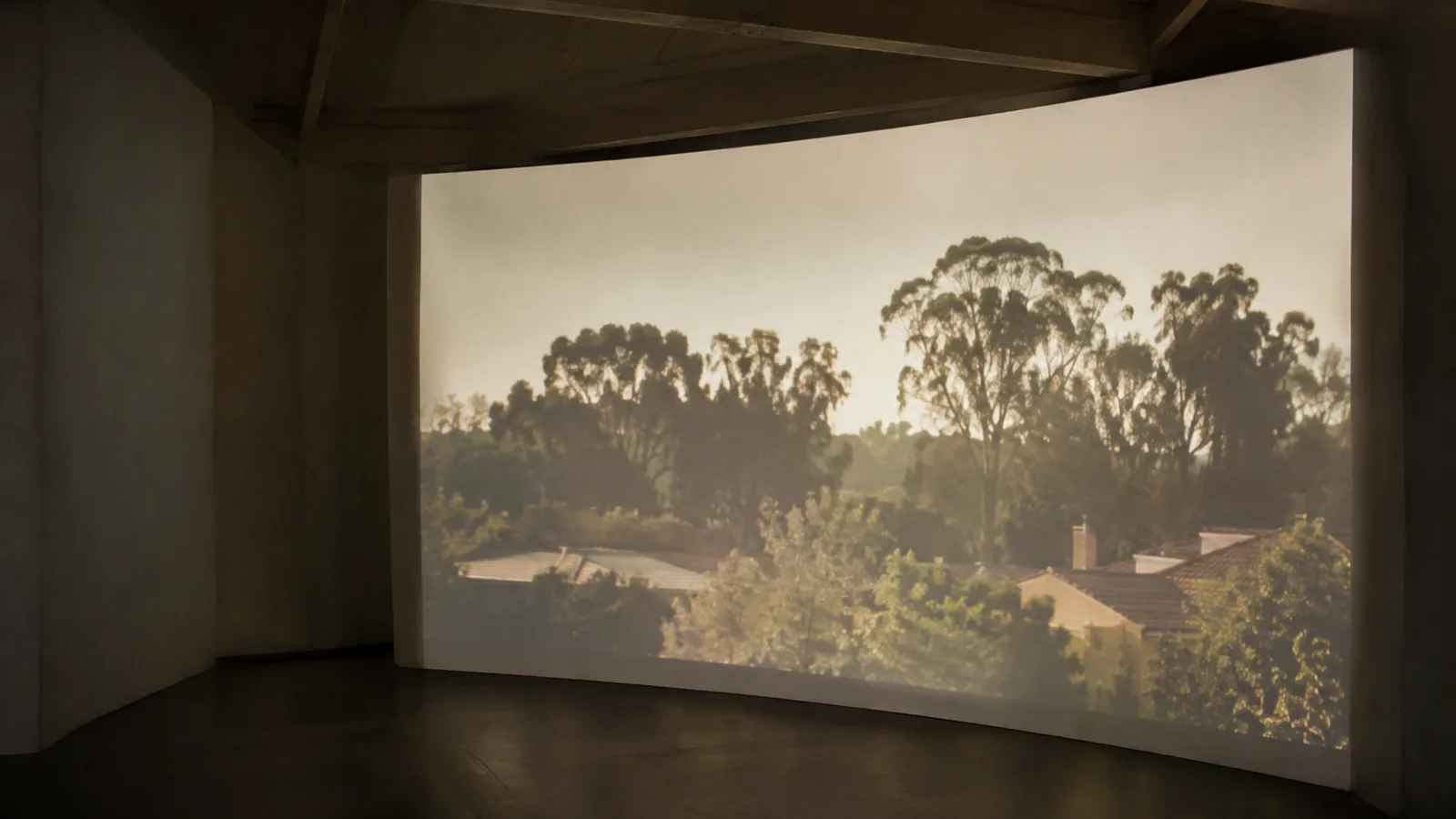
What Greenwich’s camera obscura showed before the Observatory closed
The First Light closure changes a Greenwich visit. The hill and a simple pinhole viewer still explain how the instrument made a moving image.

Levar Trip is an independent blog about travel, the creator economy, AI and social media.
The First Light closure changes a Greenwich visit. The hill and a simple pinhole viewer still explain how the instrument made a moving image.
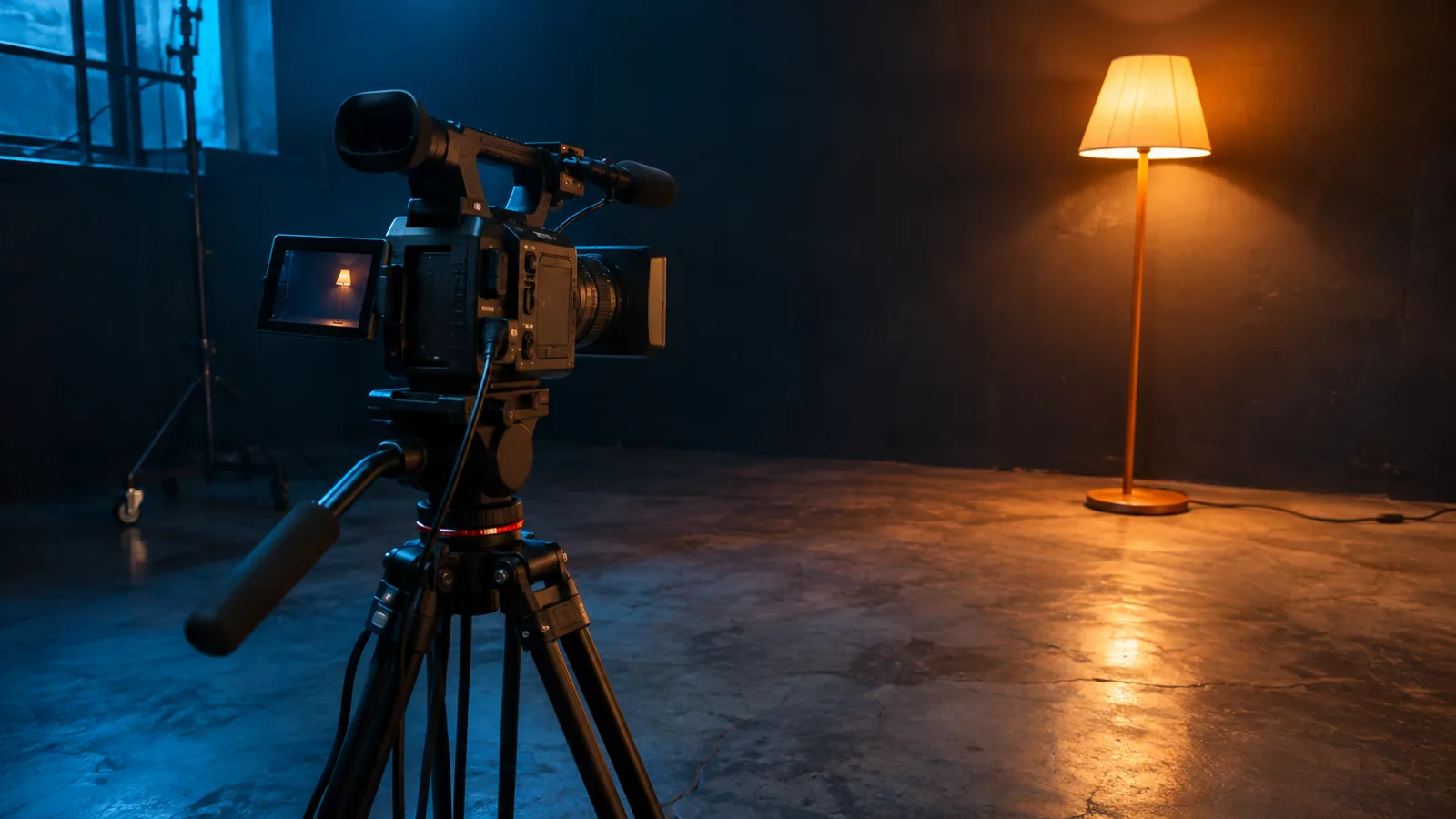
A short camera test isolates a flickering lamp or display before you change the shutter, move the shot or start recording.
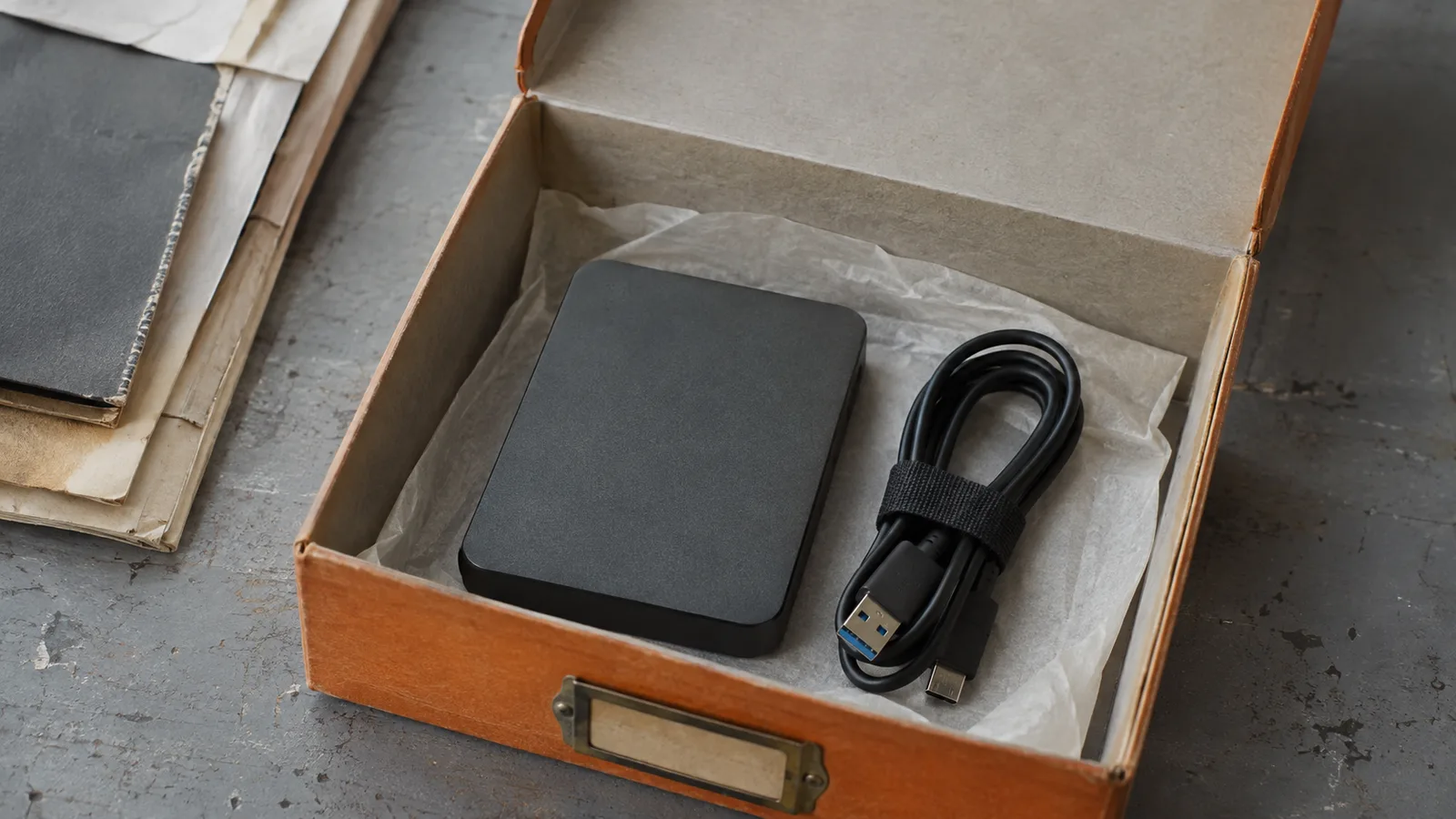
A reliable creative handoff needs more than a compressed folder. Dependencies, extraction tests, checksums and clear versions make the delivery usable.
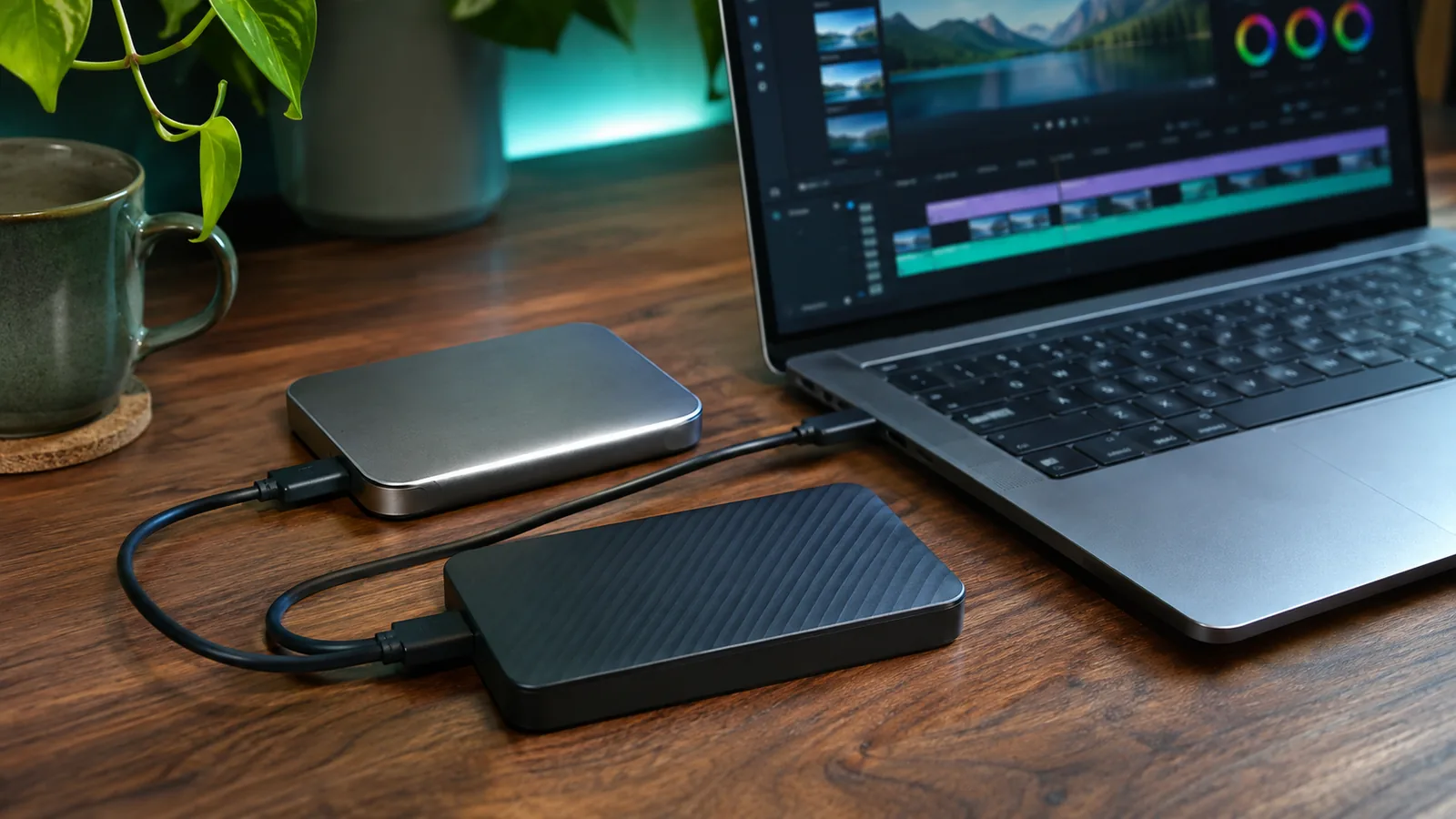
Keep the cut, proxy files and camera originals connected when a project moves between editors and workstations.
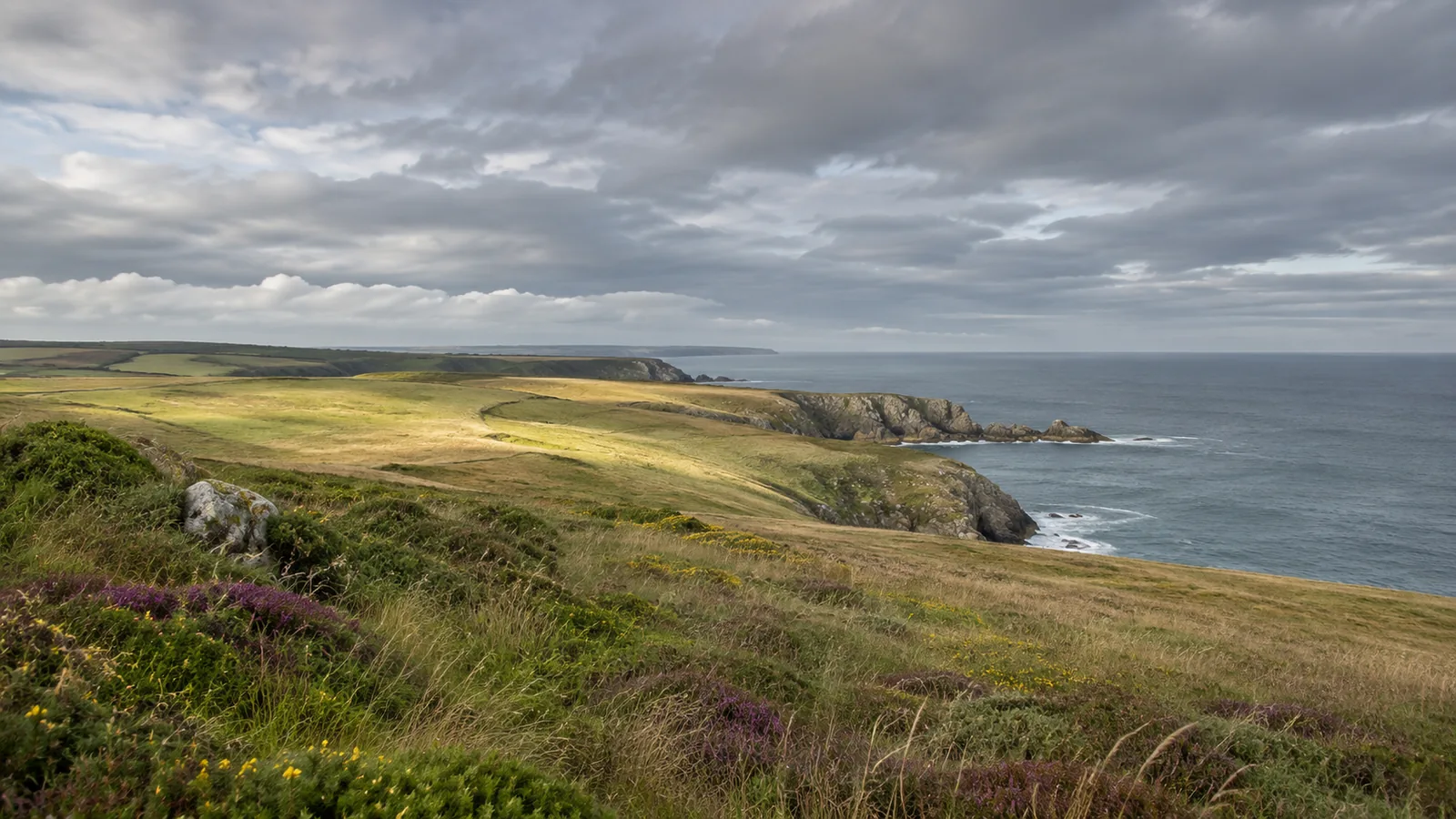
Read cloud cover, satellite images and the sun’s direction together before choosing when and where to photograph outdoors.
An archived page needs its address, capture date and missing context. How to compare web versions and use the Wayback Machine as a source that others can assess.
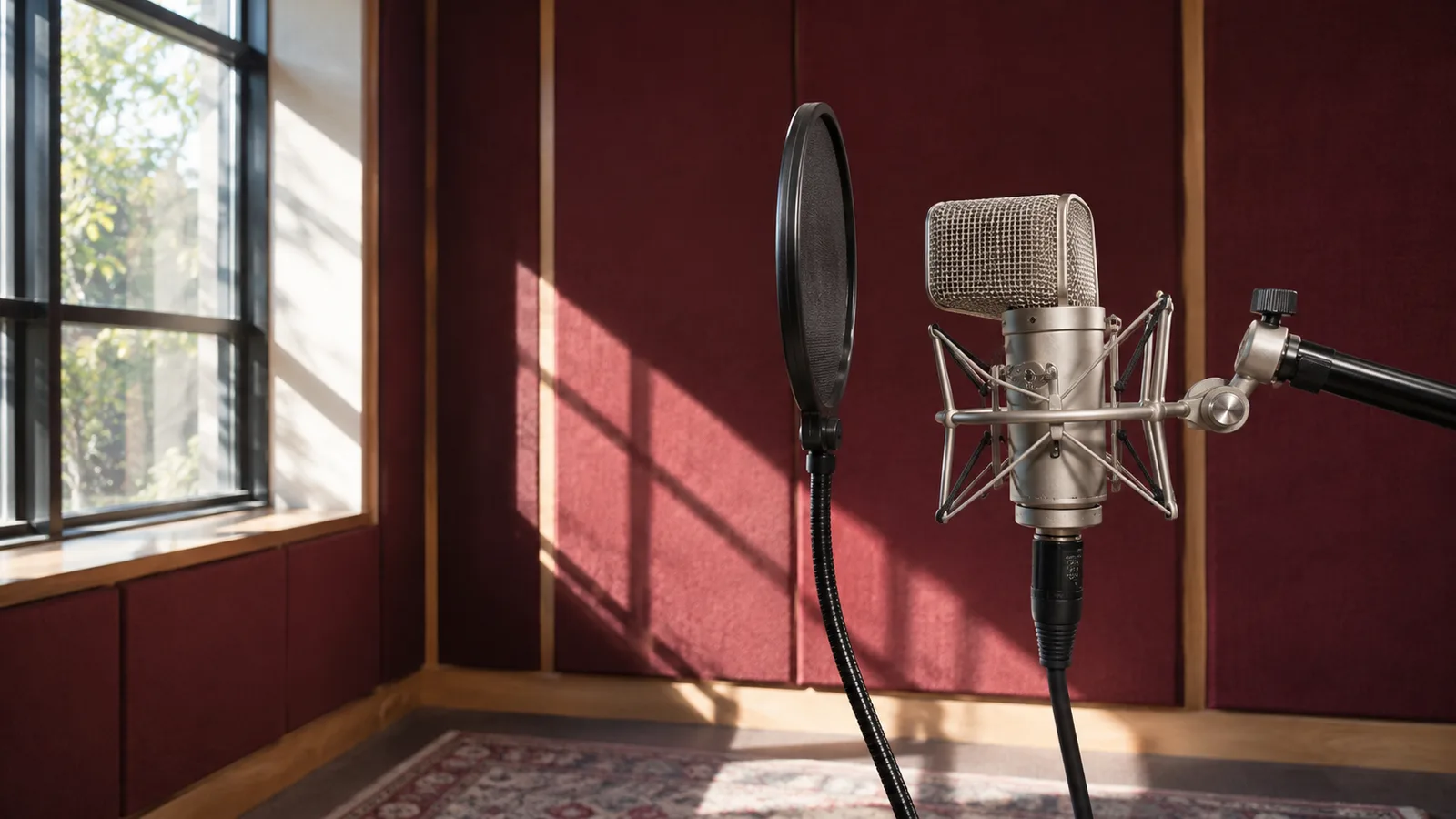
A polar pattern is a guide to placement, not a boundary around what a microphone hears. How to test directionality, room sound and a real recording arrangement.

Test headings, reading order and keyboard focus in the delivered PDF, then trace problems back to the source and the export settings.

Plan the depth you want to show, check overlap between focus steps, and diagnose motion or alignment problems in a composite.
Photo metadata connects a file with its reporting context. How to preserve descriptions, credits and identifiers through edits, exports and editorial handovers.
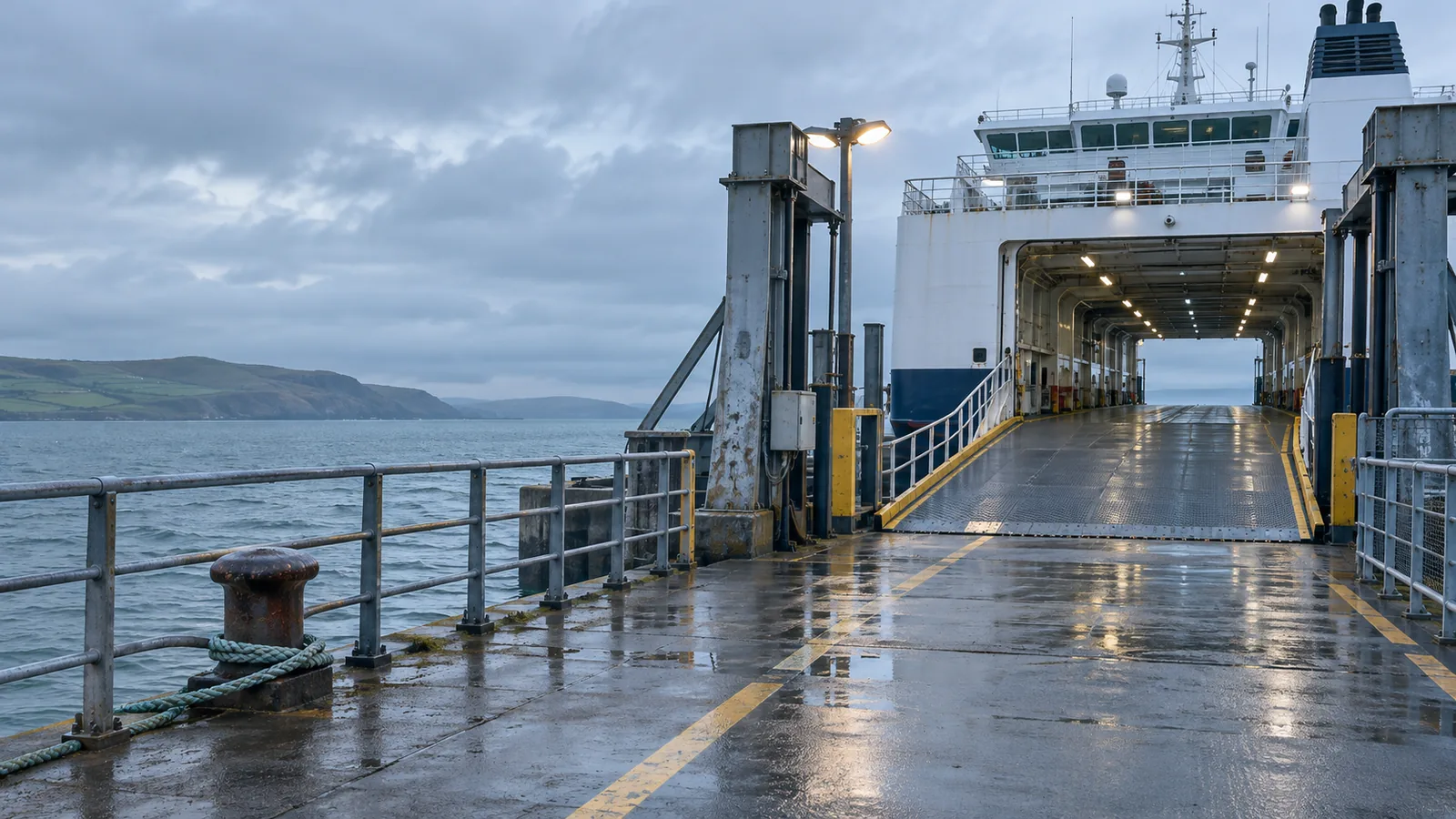
How to compare SailRail and separate tickets by checking the transfer, sailing reservation, boarding cutoff and onward travel in Dublin.
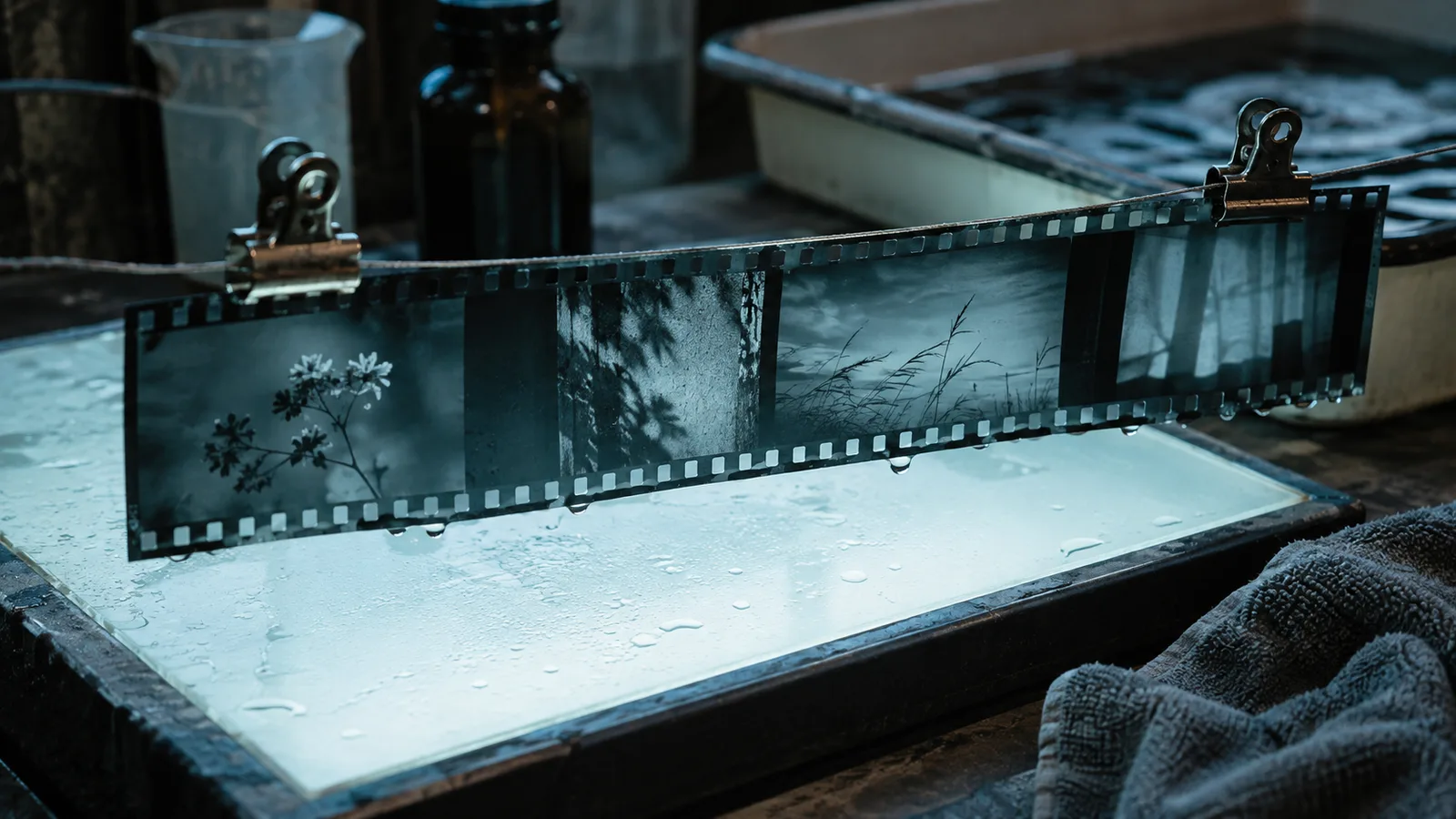
A family film archive needs more than attractive scans. How to connect capture quality, physical originals, identifiers and the information that makes photographs understandable.
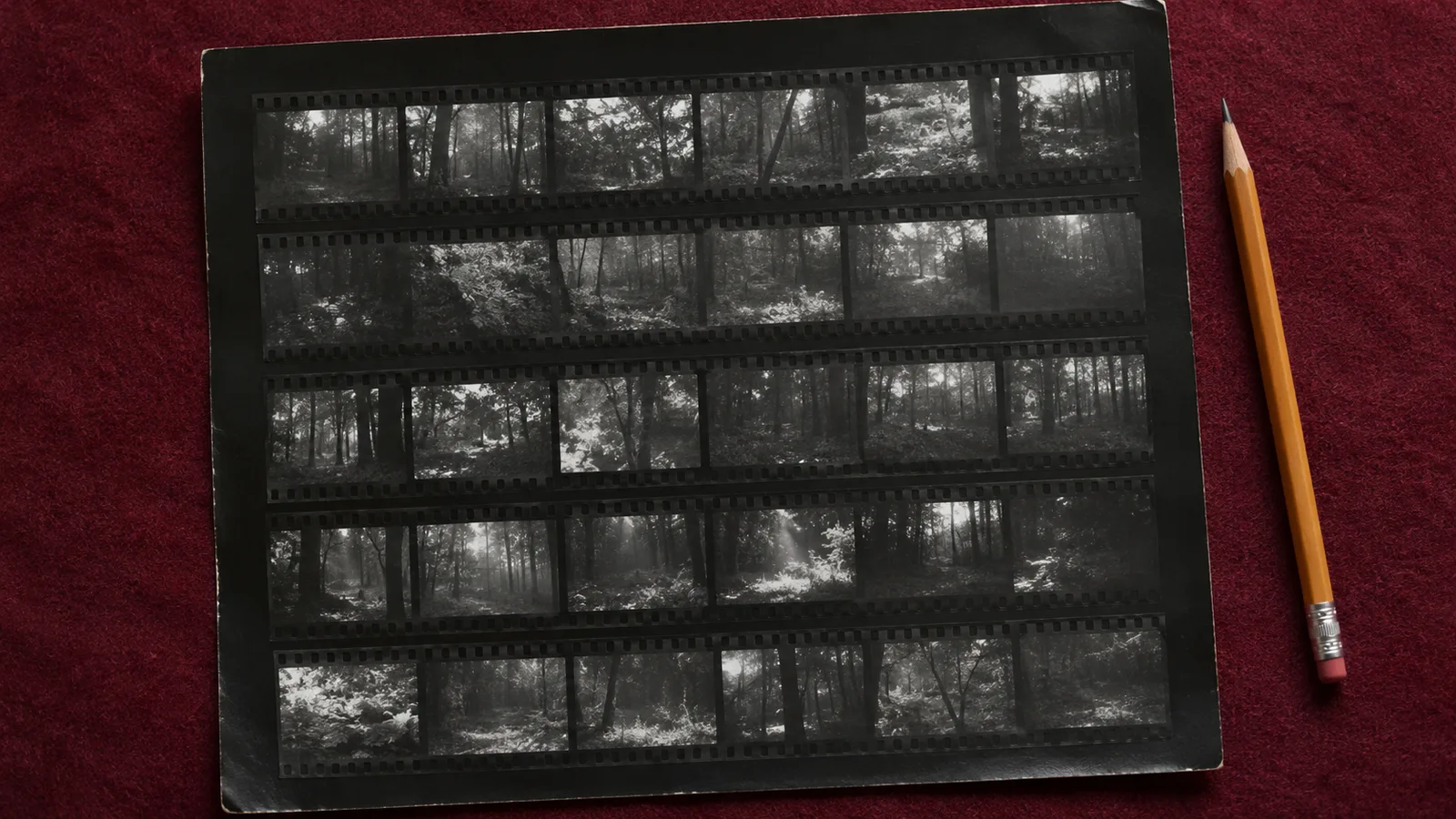
A contact sheet reveals alternatives, omissions and editorial choices. How to select and sequence a photo story without losing its reporting context.
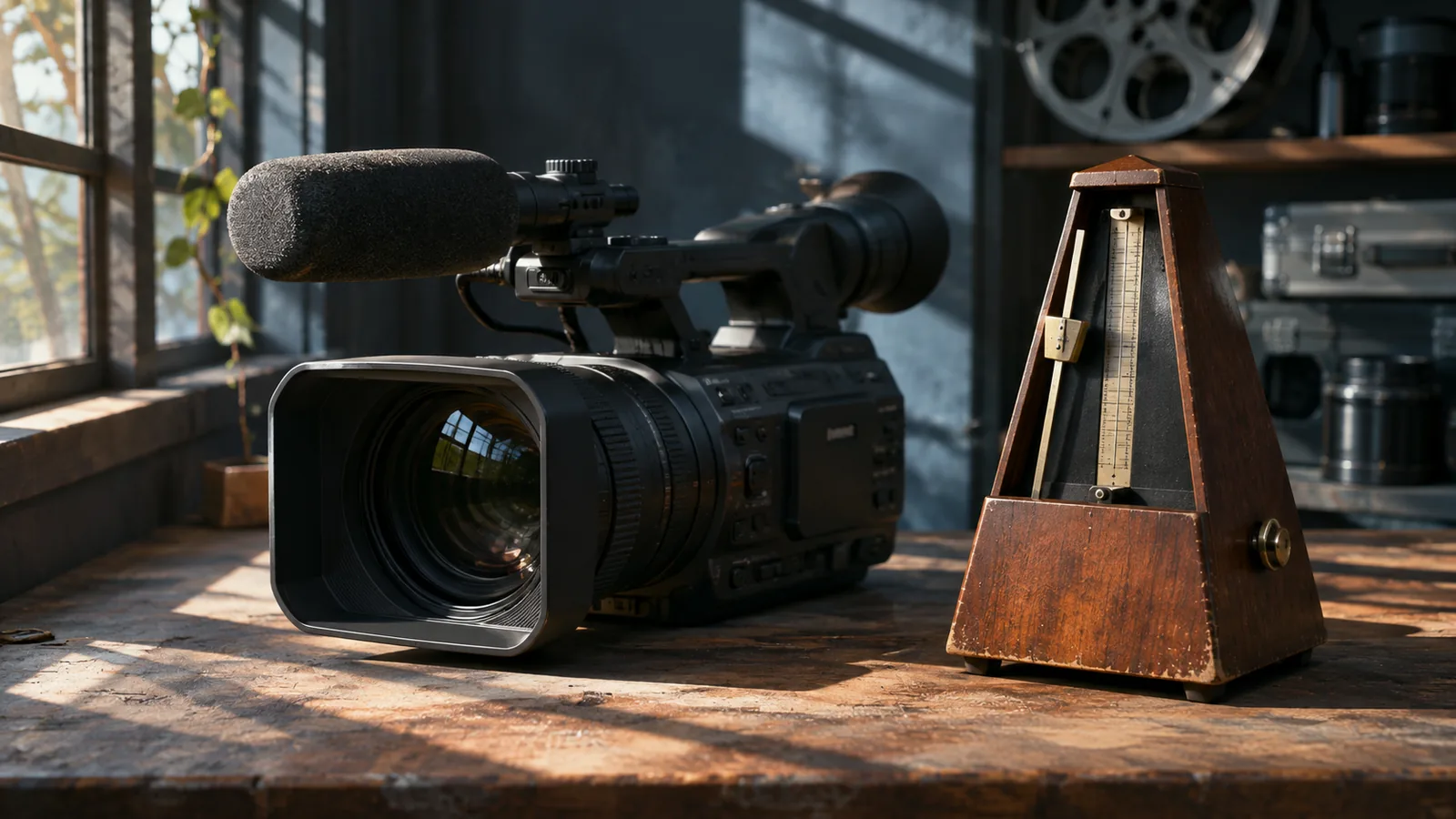
Follow source frames through an edit and learn when to preserve real time, slow an action or test a different interpolation method.
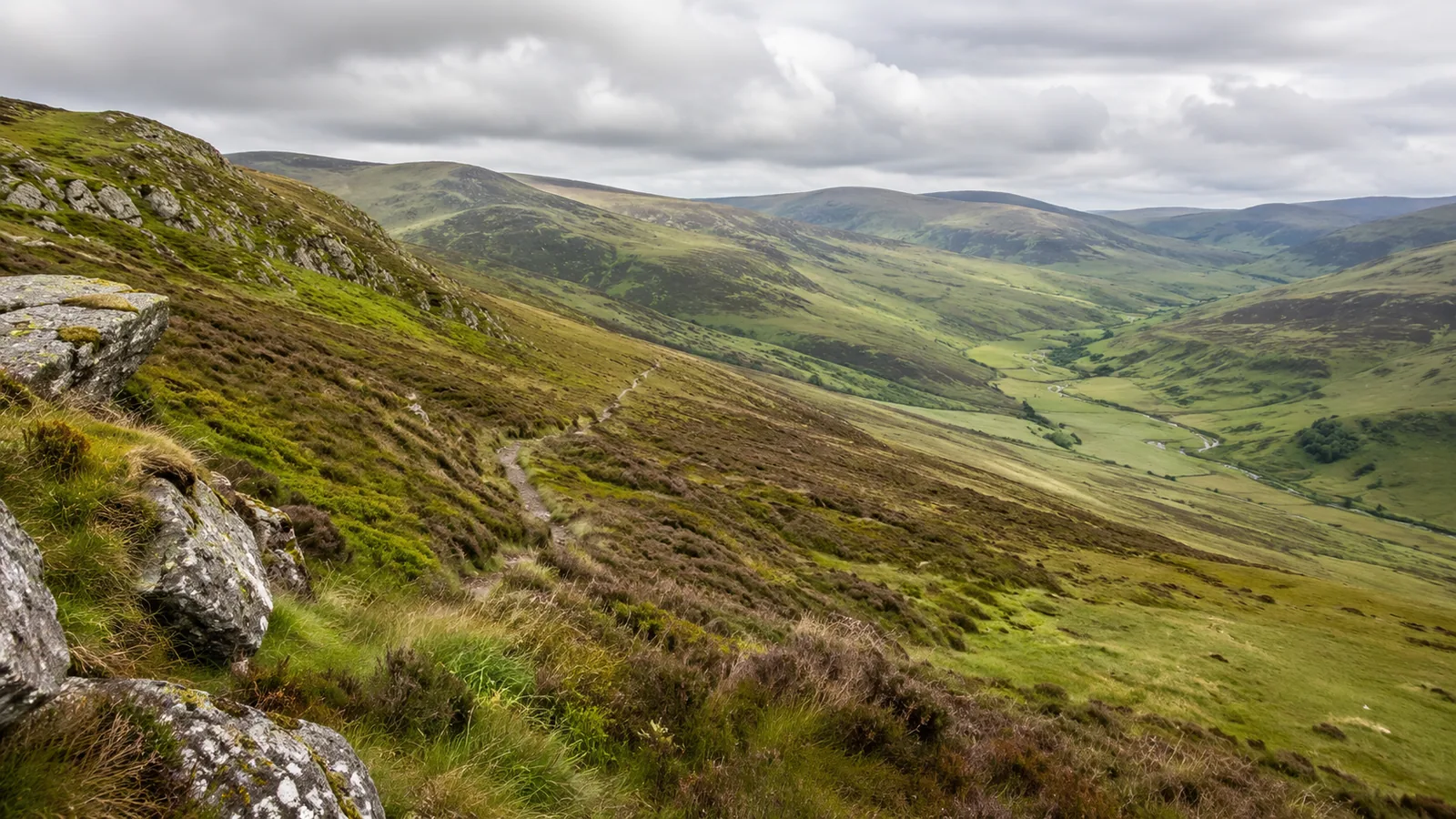
Read slopes, valleys and junctions on a contour map, then turn what you see into practical checks along a walking route.
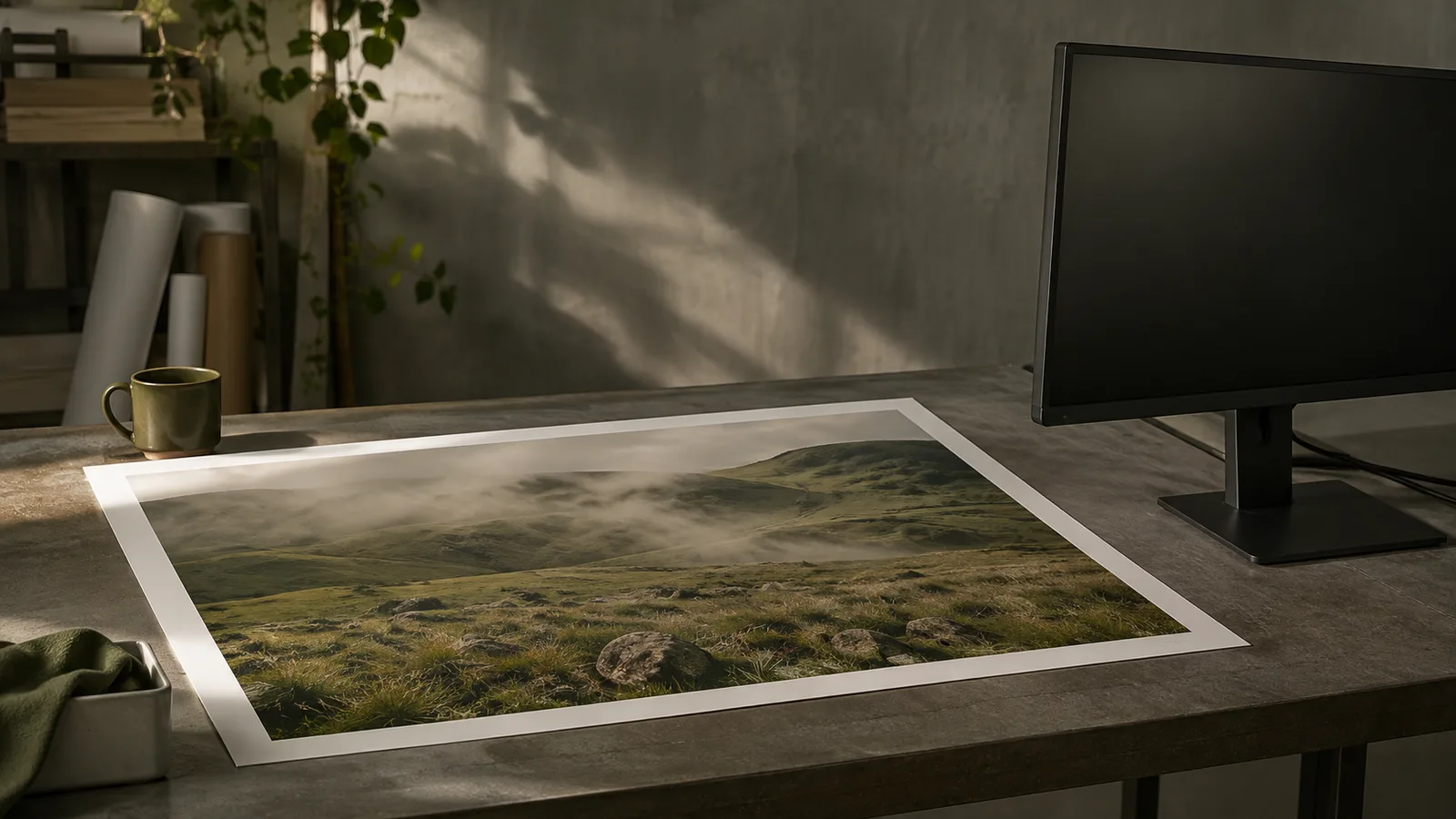
A print mismatch can begin with the export, profile, paper or viewing light. A repeatable way to investigate it before changing the photograph again.
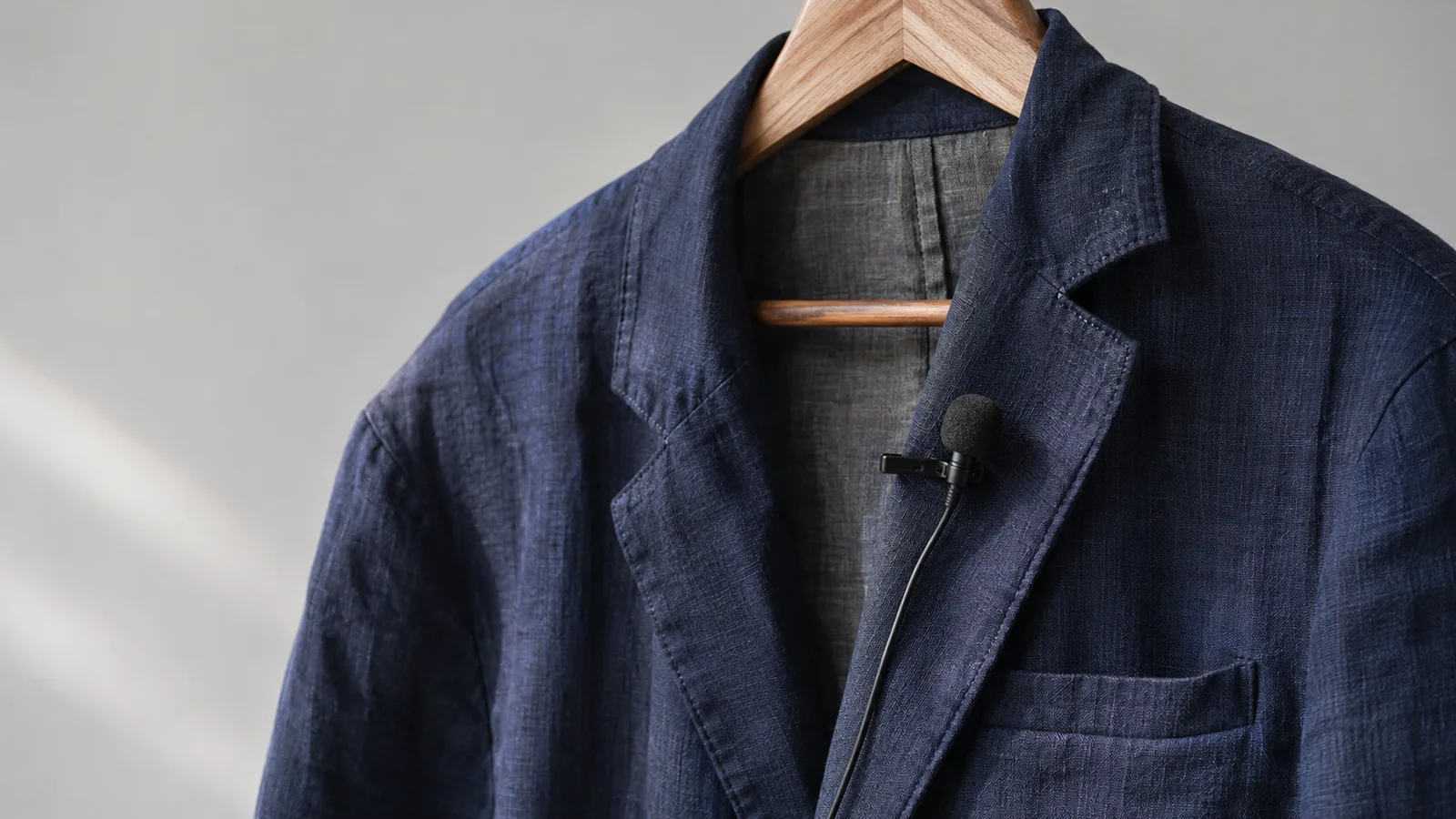
A lavalier records more than a voice. How mounting, clothing, movement and a saved test recording determine whether an interview remains usable.
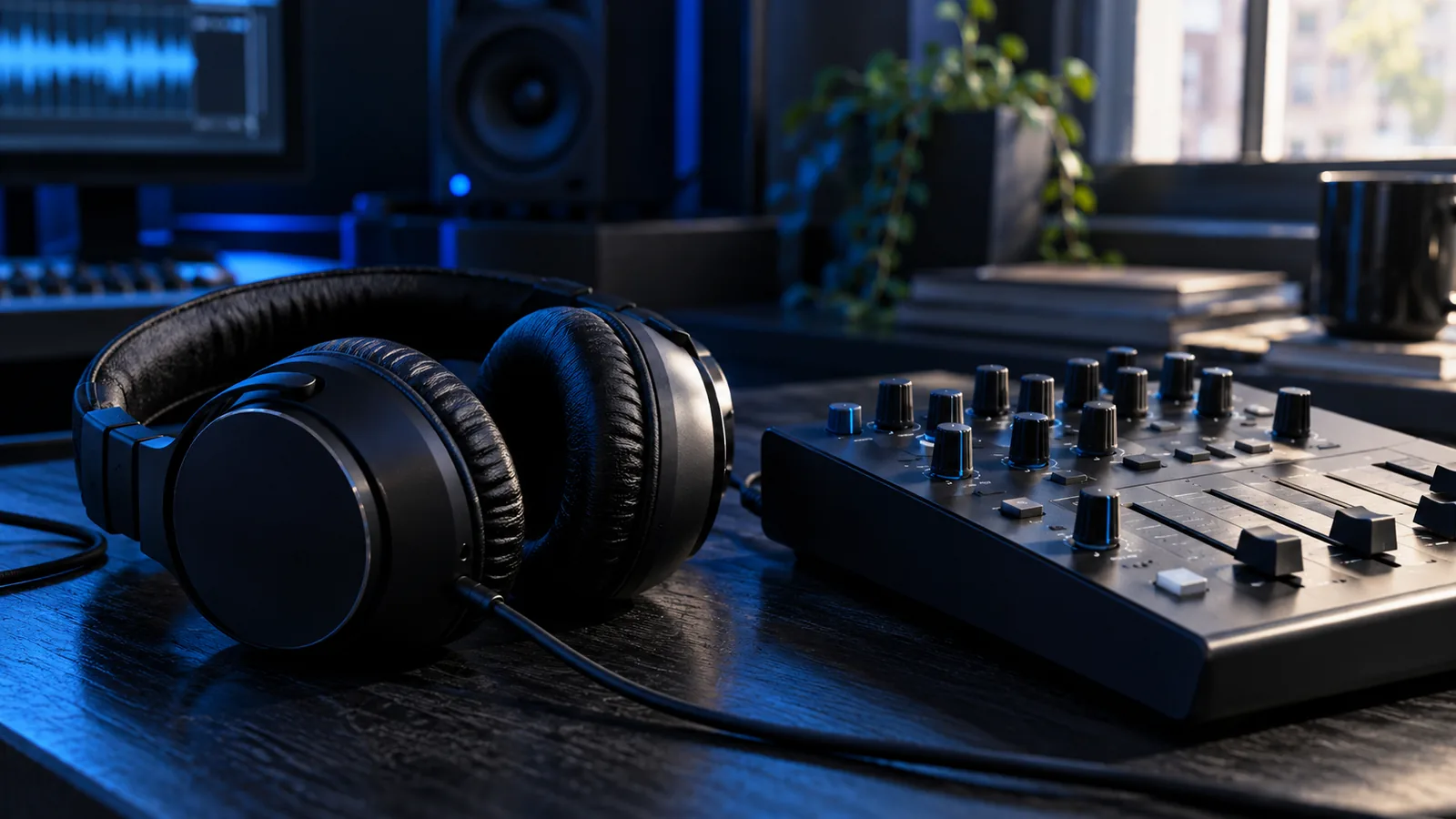
Peak level and perceived loudness answer different questions. A practical way to review voices, music and a final export without treating one meter as the whole mix.
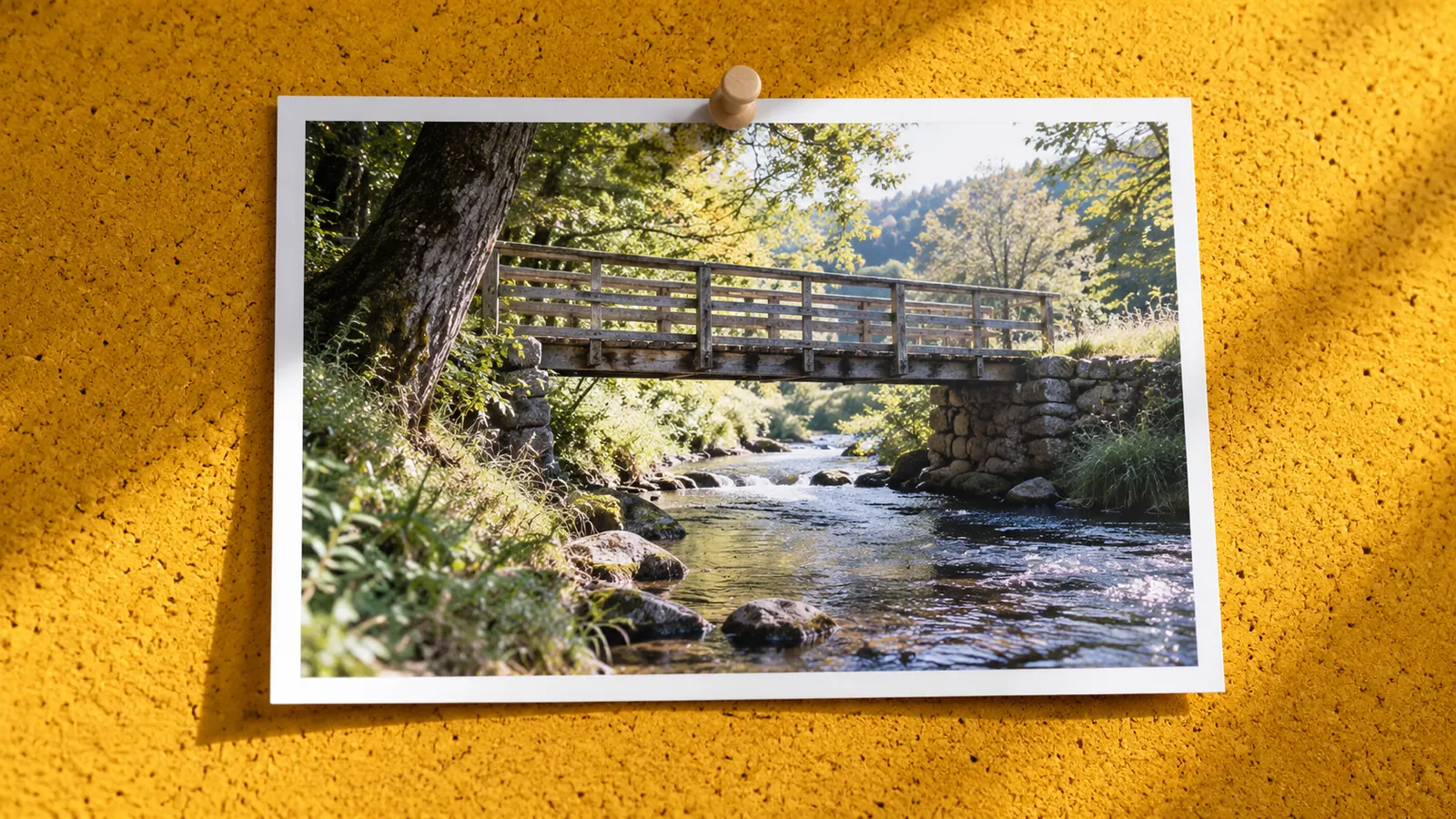
Alt text is not a hidden caption or a keyword box. How the purpose of an image changes the useful alternative, with worked editorial examples.
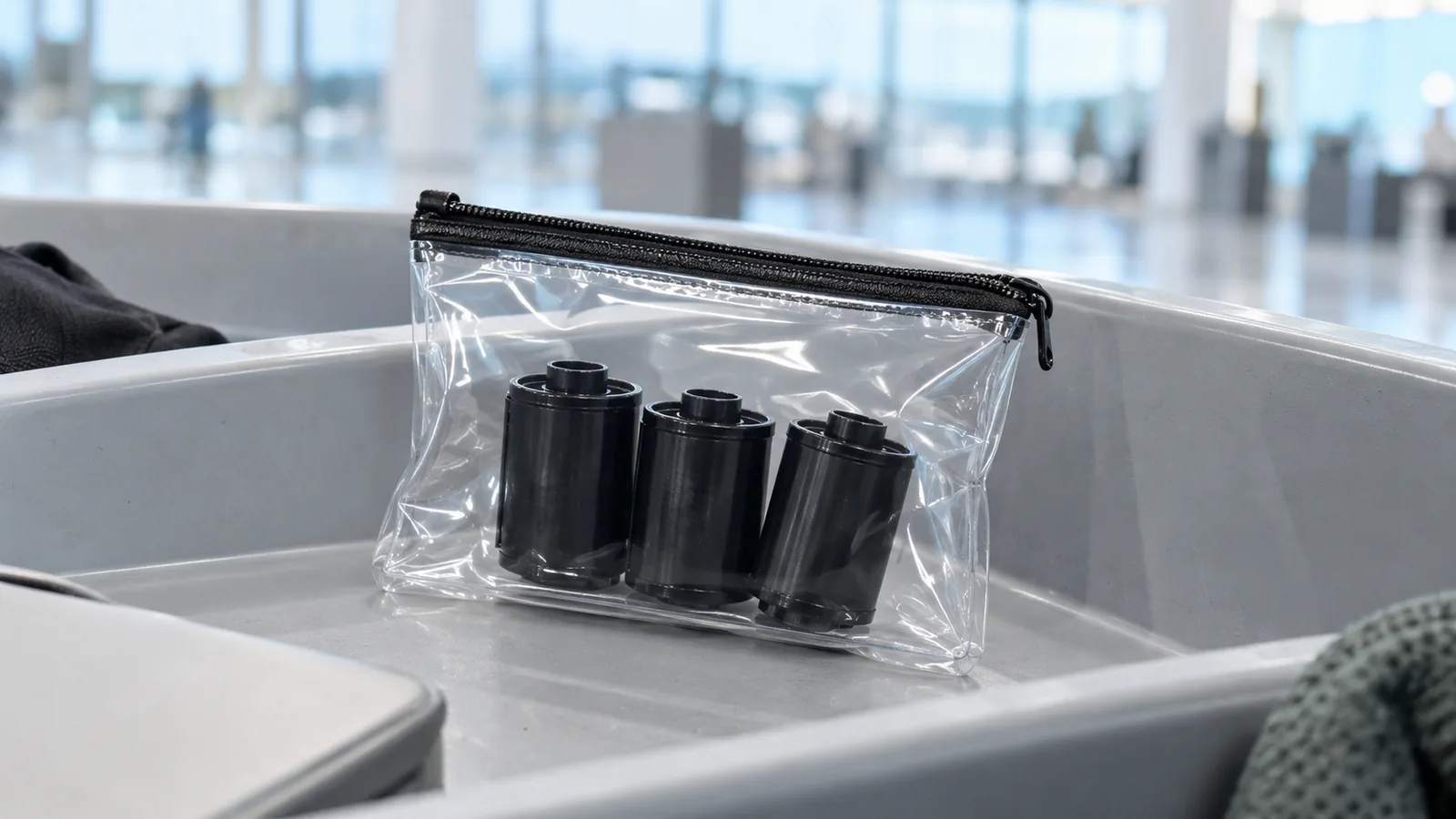
Airport scanners, undeveloped rolls and the return journey require separate planning. What film manufacturers advise and what to ask before flying.
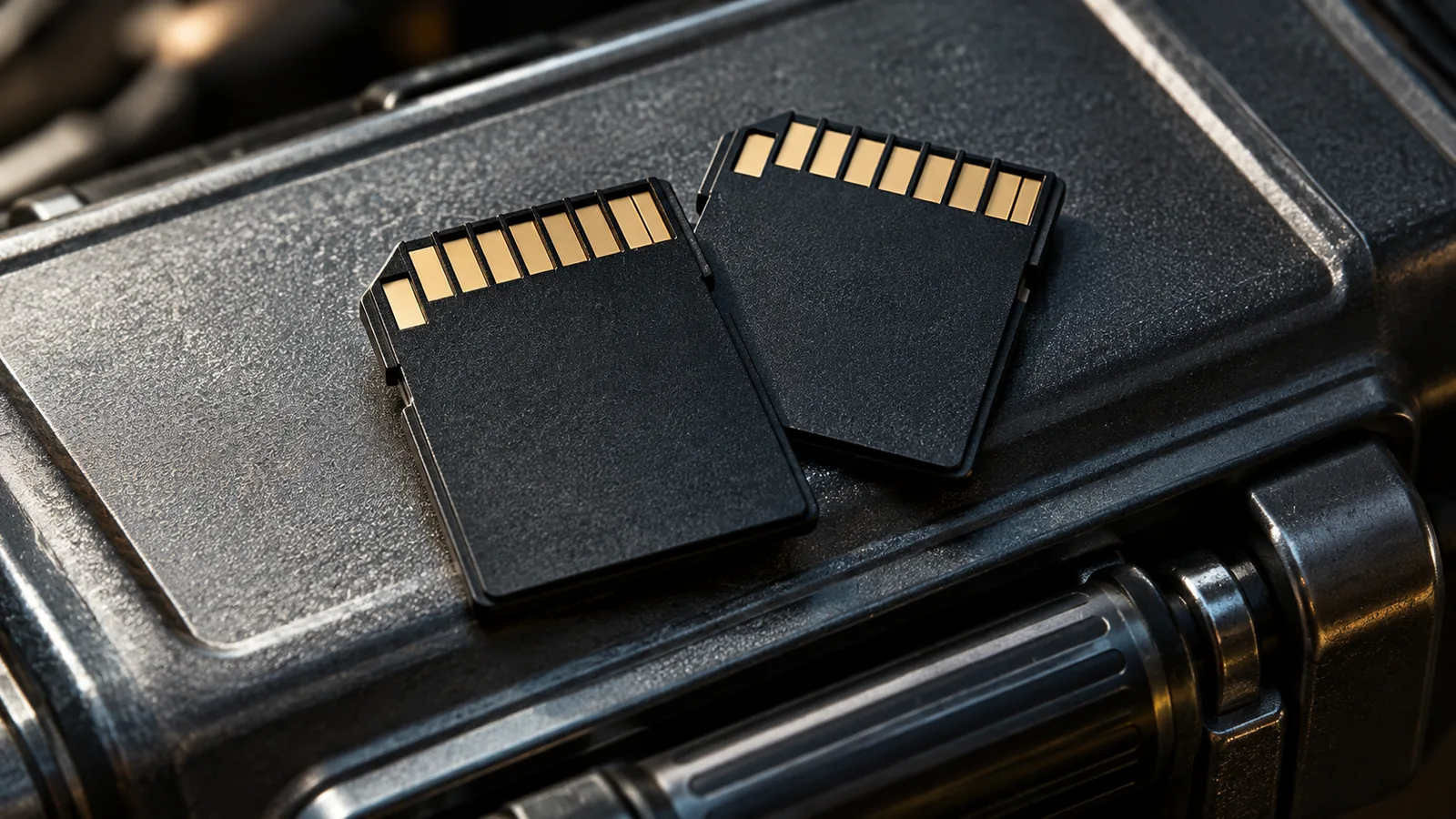
Capacity, interface and sustained writing describe different things. How to read a memory card against your camera’s actual recording requirements.
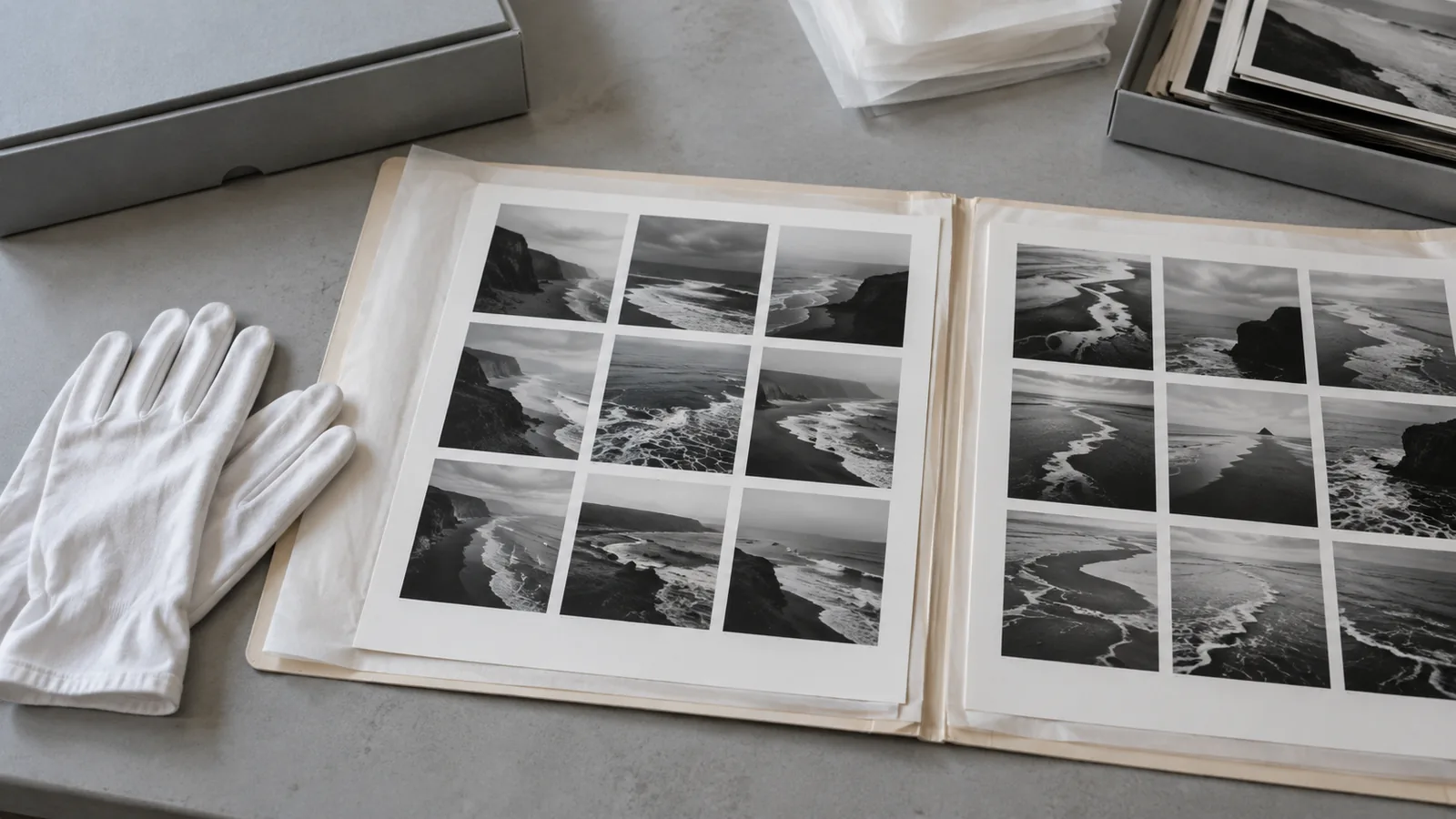
Finding an image, identifying its licence and clearing the intended use are separate tasks. A practical editorial approach to attribution, modifications and missing permissions.
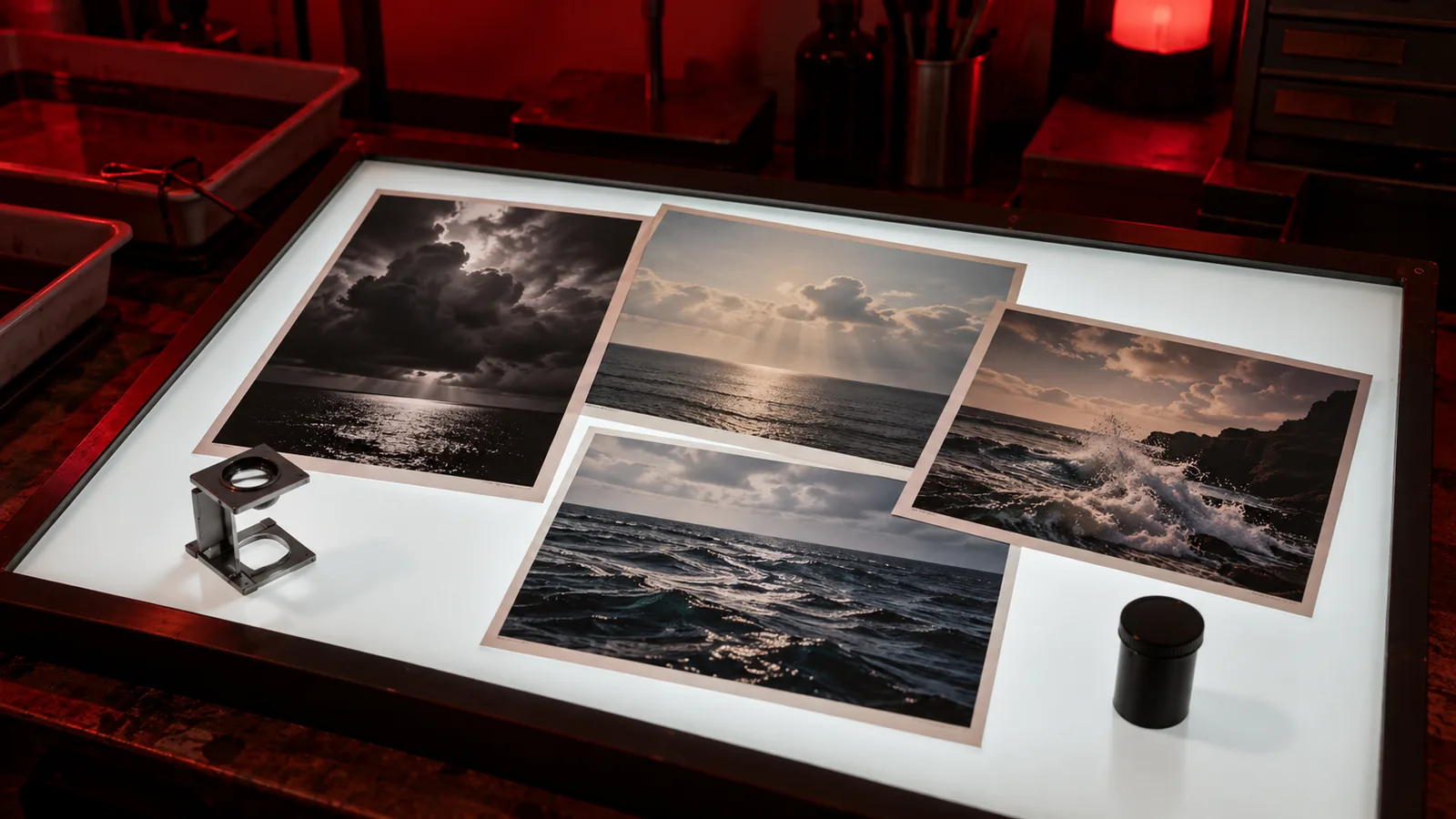
A signed provenance record answers different questions from a fact check. What creators should inspect, preserve and explain before publishing an image.

How to connect discovery, retention and audience reports to editorial questions, compare suitable videos and test changes without invented explanations.
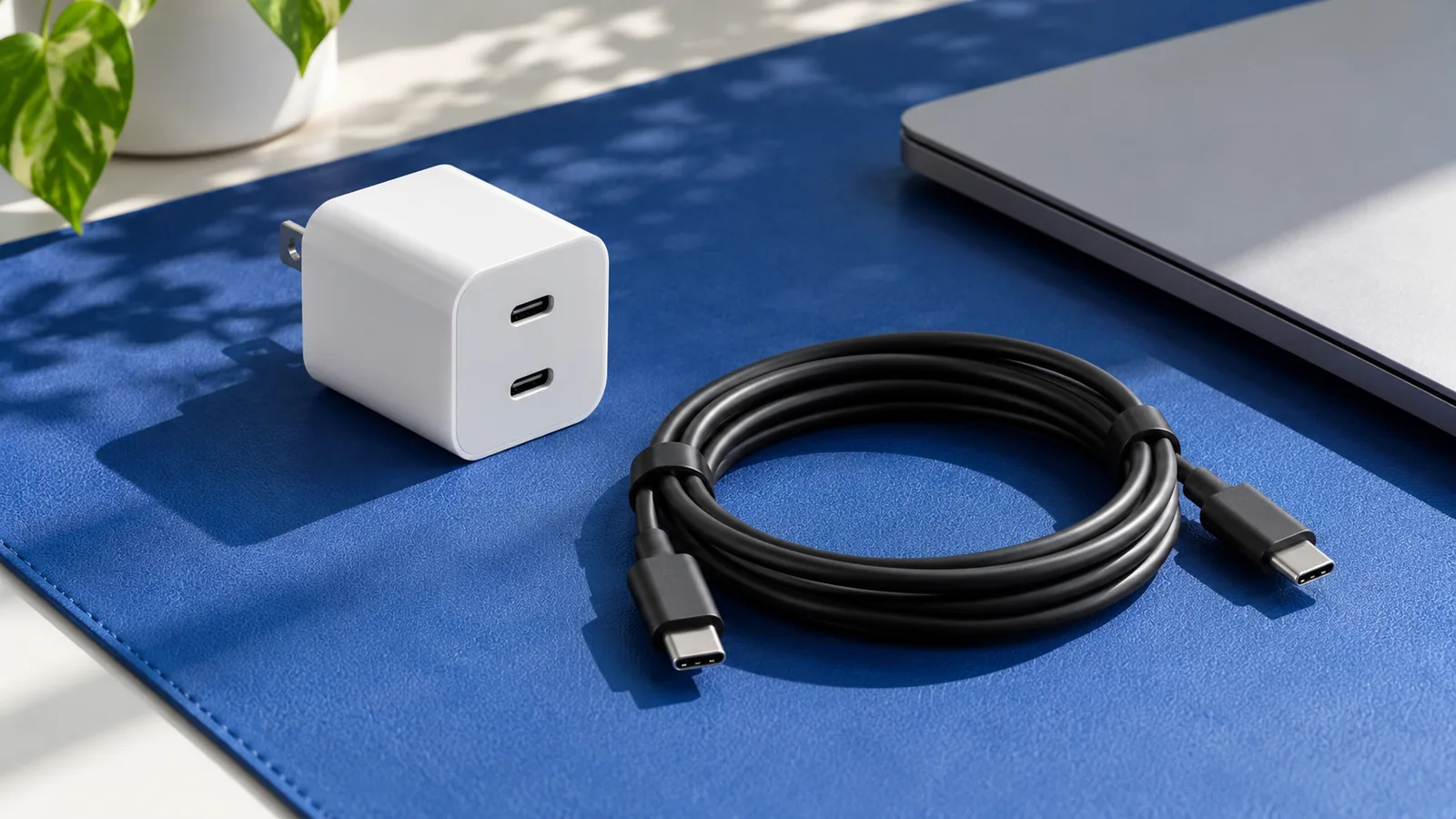
USB-C simplifies packing, but power allocation, cables and the devices' documented needs still decide whether a travel setup works.

What short-stay travellers should understand about digital border registration, different passenger statuses and realistic onward connections, without confusing EES with ETIAS.
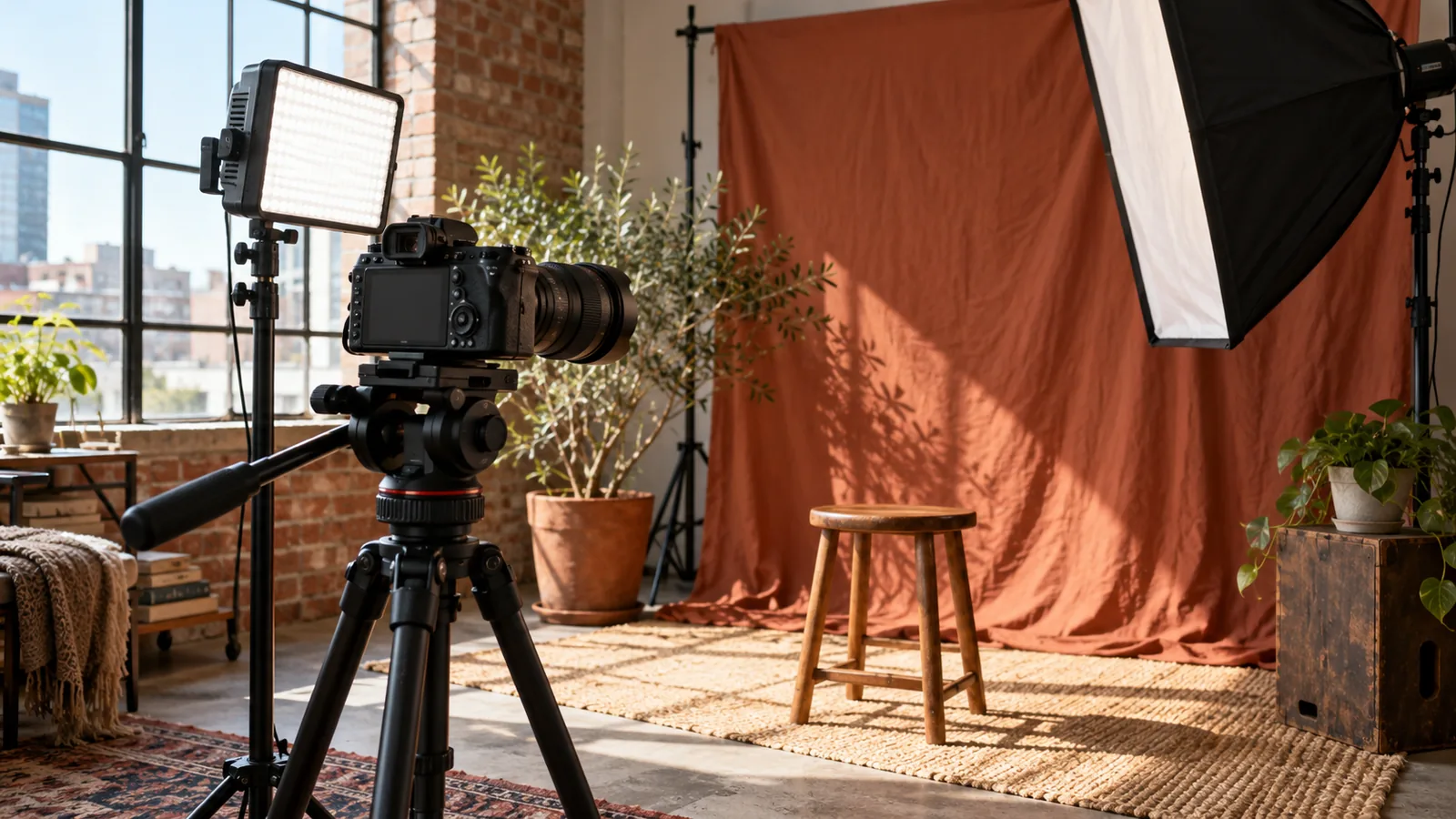
A practical publishing workflow for creators reaching US audiences: make the commercial relationship understandable before captions, clips and affiliate links go their separate ways.

Understanding simple, advanced and qualified signatures, the evidence behind the interface and the checks to make before choosing a signing service.

Accurate words are only the beginning. A practical editorial approach to timing, speaker changes, meaningful sounds and caption delivery.

A first Lisbon visit built around Alfama, Baixa and a separate day in Belém, with realistic choices about hills, transport and monument bookings.
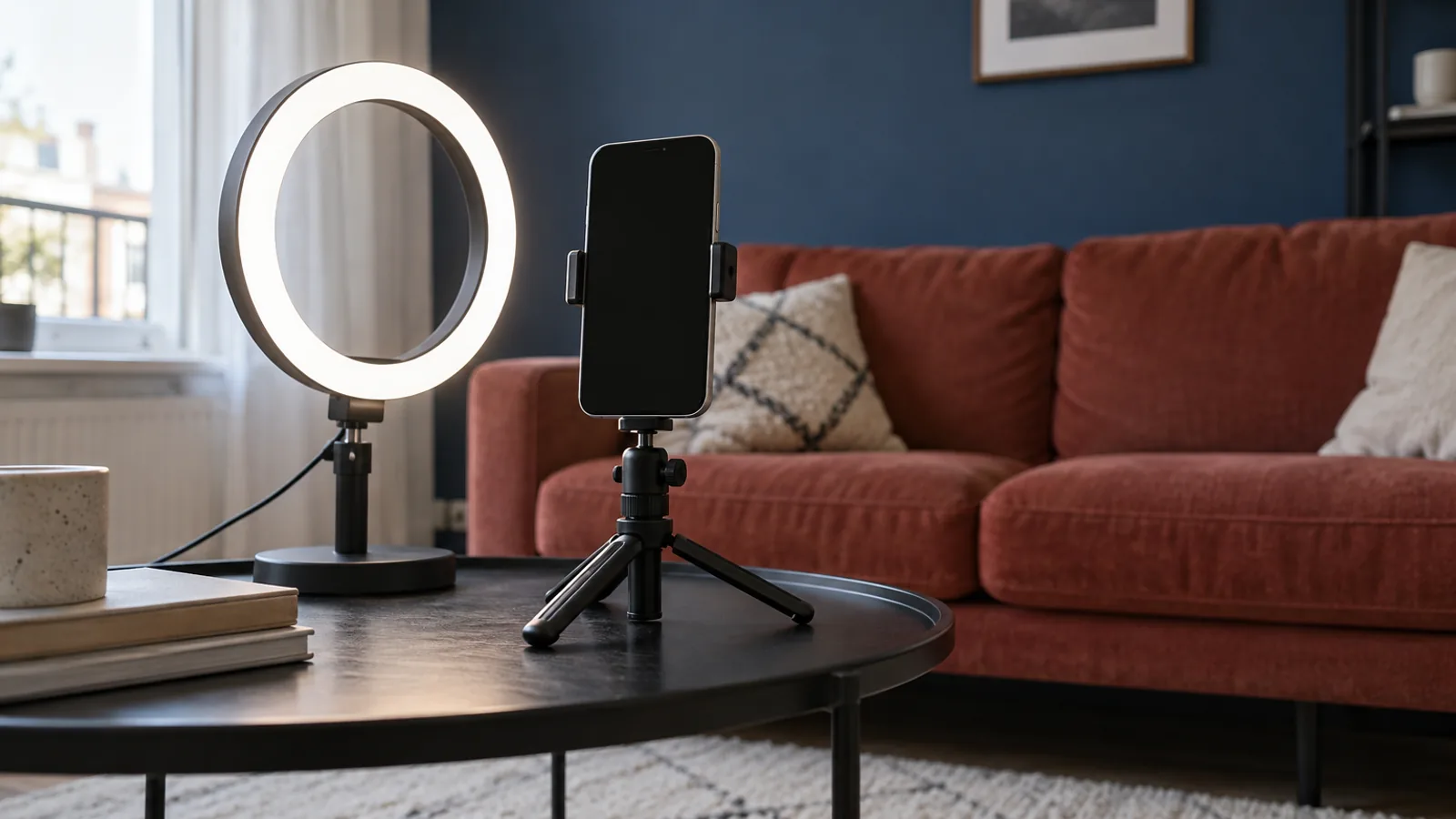
How to make a video opening clear, deliver what it promises and interpret audience data without relying on supposedly universal hook formulas.
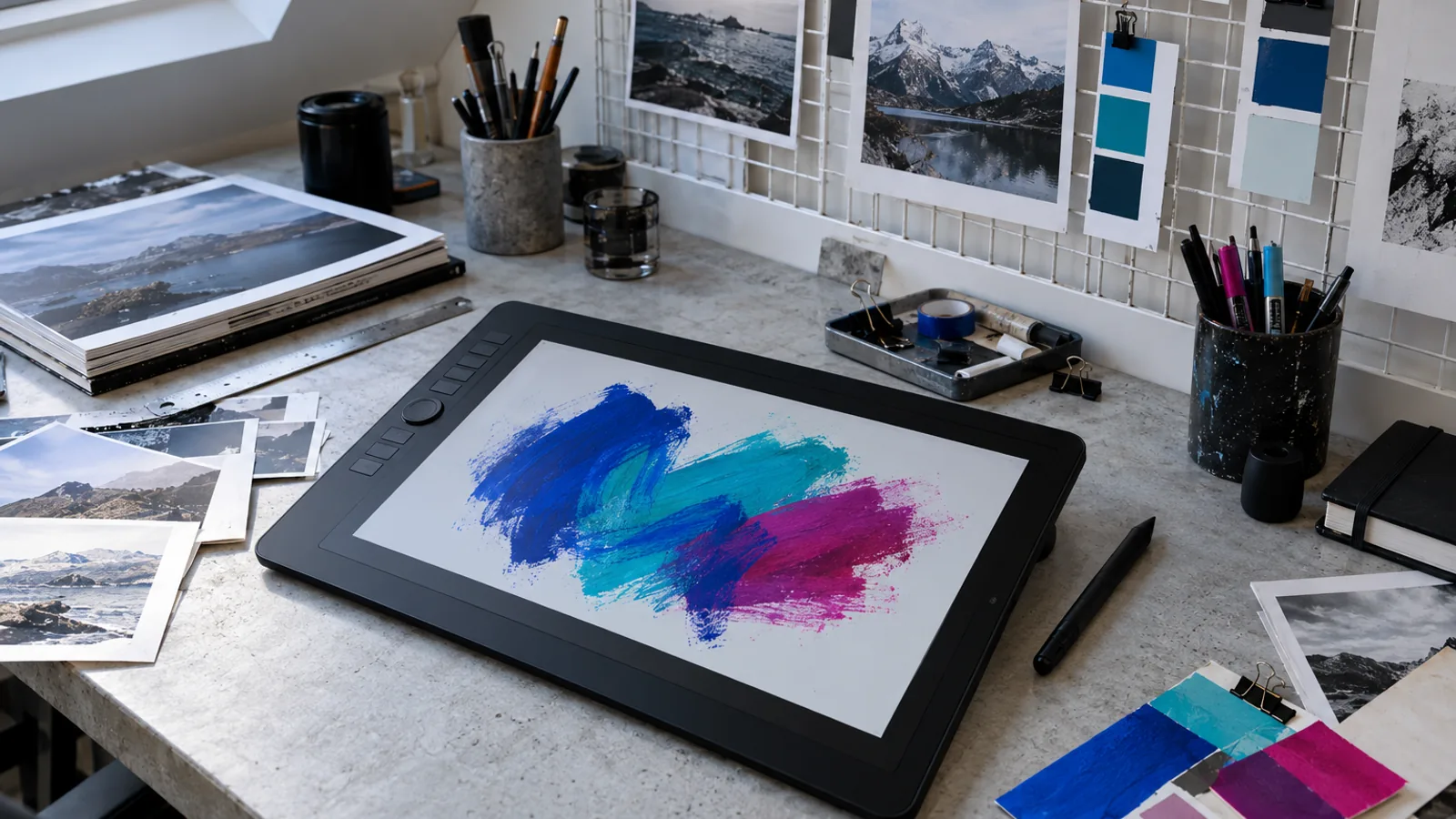
Giving generated images a purpose and a character through better briefs, selection, detail checks and an honest relationship with the audience.

How to look beyond a score when comparing creator platforms and agencies: relevant experience, incentives, independent checks and contract terms.

What one-off support changes for creators and their audiences, from expectations and payment costs to the limits of an unpredictable income.